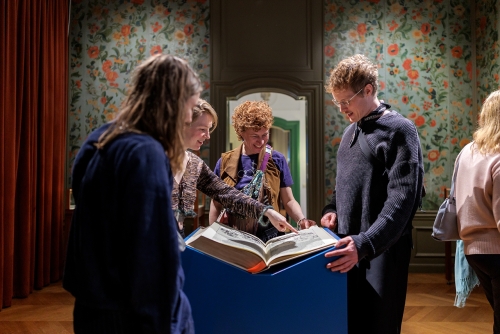
The world's oldest book museum, presenting programme for today.
Rijksmuseum Meermanno preserves a magnificent heritage collection consisting of rare medieval manuscripts, early printed books, paintings, antiquities and unique art treasures that rank among the most important in the Netherlands. Step inside and discover that every historical object tells a story relevant for our world today.
We believe that heritage is a mirror that reflects who we are, how we think and how we relate to one another. We bring our historical collection together with innovative, contemporary art and urgent themes. And while doing so, we turn a museum visit into a personal and surprisingly accessible experience.
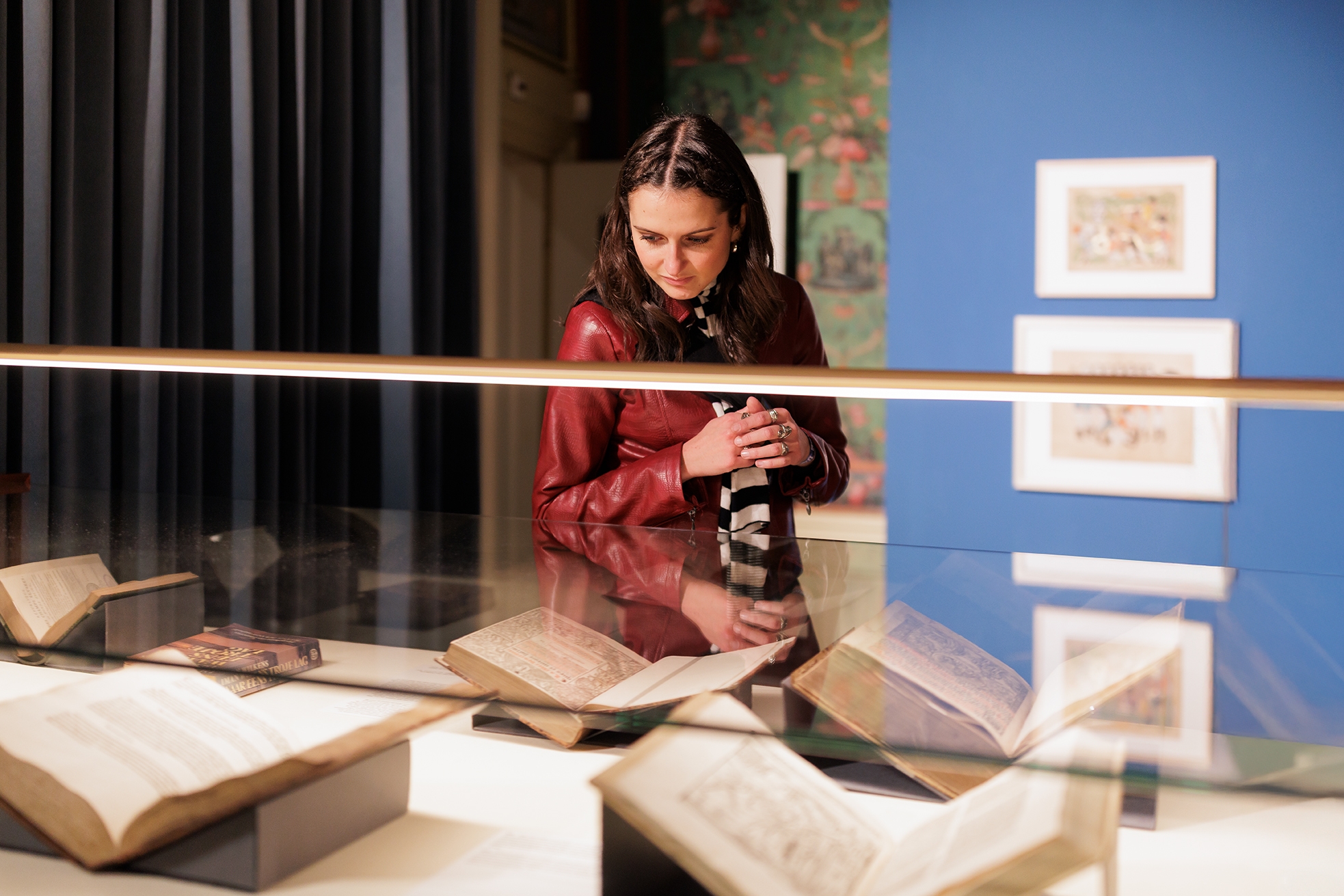
In our extraordinary house, history and current affairs meet. Tradition and the future come together in a place where our loyal community has felt at home for years, and a new generation of visitors, artists and enthusiasts feels instantly welcome.
As the only museum in the Netherlands that focuses exclusively on the book as a work of art, we celebrate the unity between design, typography and content. The museum opened its doors as early as 1852 under the name Museum Meermanno-Westreenianum, making it the seventh Rijksmuseum in the Netherlands at the time. It is one of the few museums in the country where the nineteenth-century display and interior design have remained almost completely intact.
Mission
As the oldest book museum in the world, Rijksmuseum Meermanno brings people together around the book in a contemporary way. We demonstrate the profound importance of books to our culture, history and society. The museum is housed in the stately, historic former home of its founder next to the Malieveld in The Hague. Yet, the atmosphere is open and welcoming. It is a place where all book lovers are invited to look, learn and enjoy. Through our unique collection and public activities, we build a bridge between the past and the present, inspiring the generations of the future.
A history of two collections
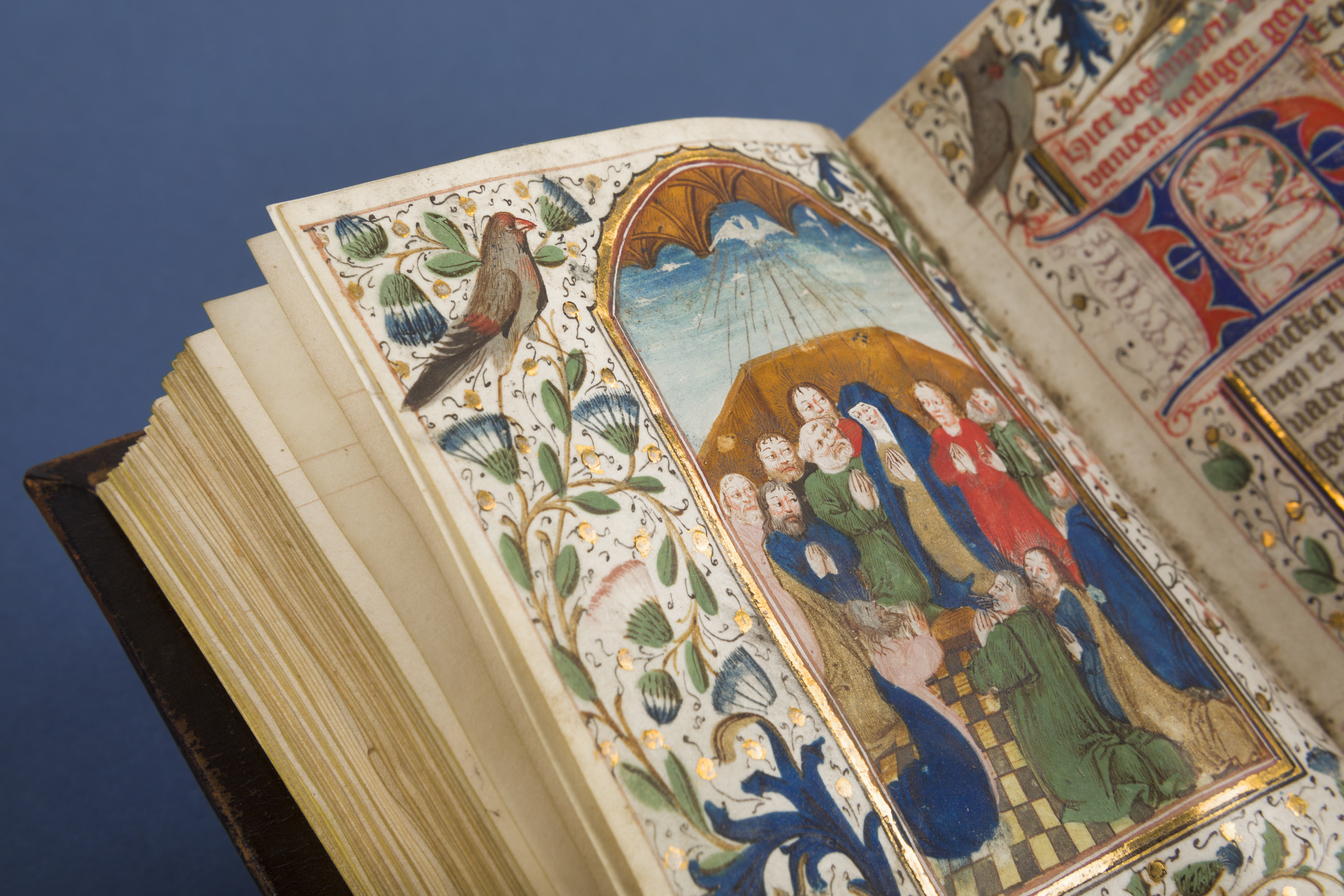
Within the historic building on The Hague's Prinsessegracht, we actually house and manage two distinct, complementary collections. In total, our repository holds around 500,000 objects, including 90,000 historical books, which together offer a monumental overview of the highlights of Western European book art from the sixth century to the present day.
The historical foundation is the Museum Meermanno-Westreenianum Collection (MMW). Baron Willem Hendrik Jacob van Westreenen van Tiellandt (1783-1848) was one of the most prominent book collectors in Dutch history. Inspired by his family, the baron assembled an impressive collection of manuscripts and early printed books in his grand townhouse. Upon his death in 1848, he bequeathed the house and his life's work to the State. This historical treasure can still be admired in the beautiful, virtually untouched nineteenth-century Book Hall — a monumental time capsule where the spirit of our country's very first museums is still tangible.
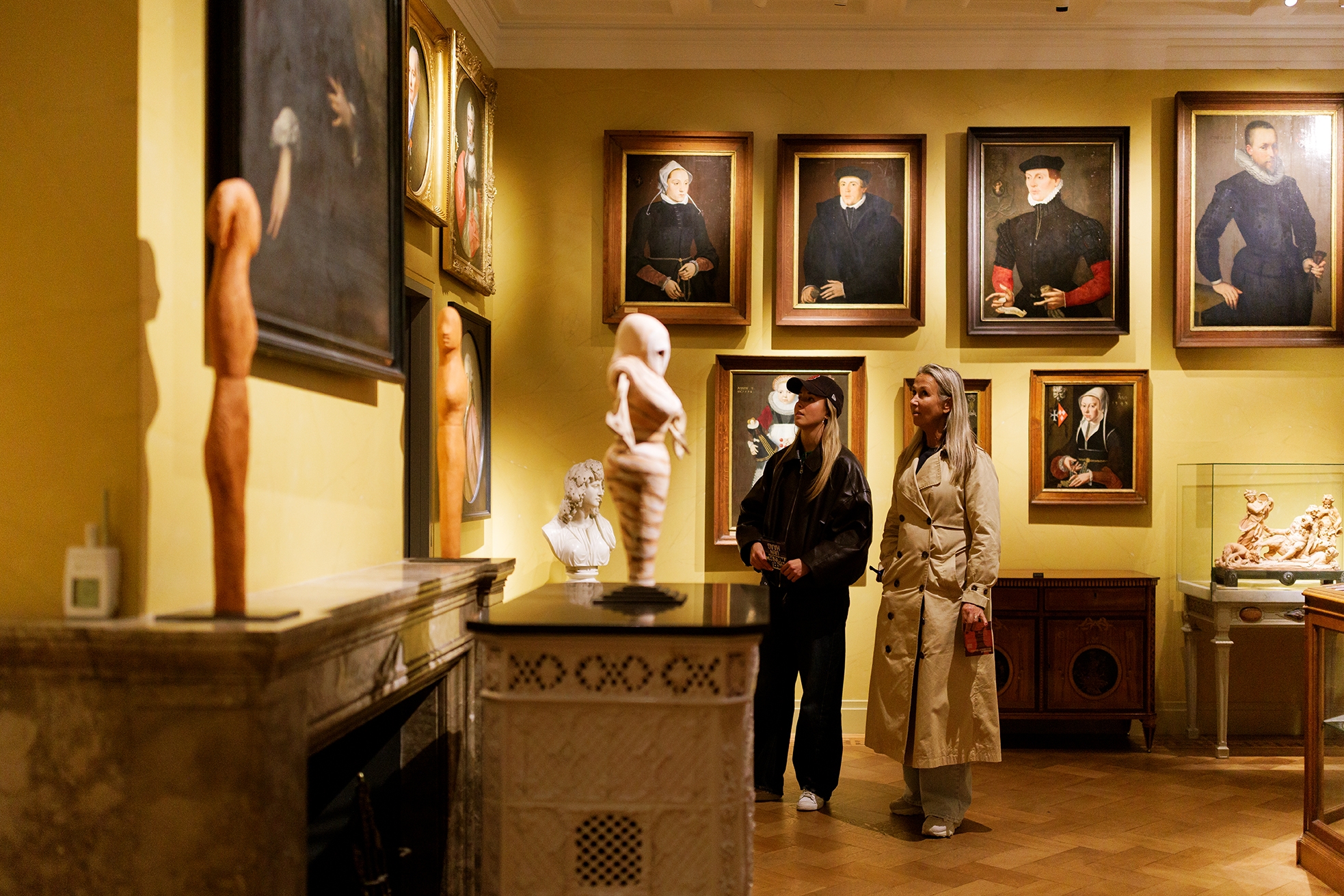
In 1960, the Museum of the Book Collection (MB) was added. This international collection focuses specifically on international book design from around 1890 to the present day. Its foundation consists of exceptional pieces, including a complete series of legendary editions from William Morris’ Kelmscott Press and the legacy of the renowned twentieth-century book collector Radermacher Schorer. Another invaluable cornerstone is the estate of master printer Jean-François van Royen (1878-1942), the driving force behind the first private press in the Netherlands. This living collection continues to expand through targeted acquisitions and donations.
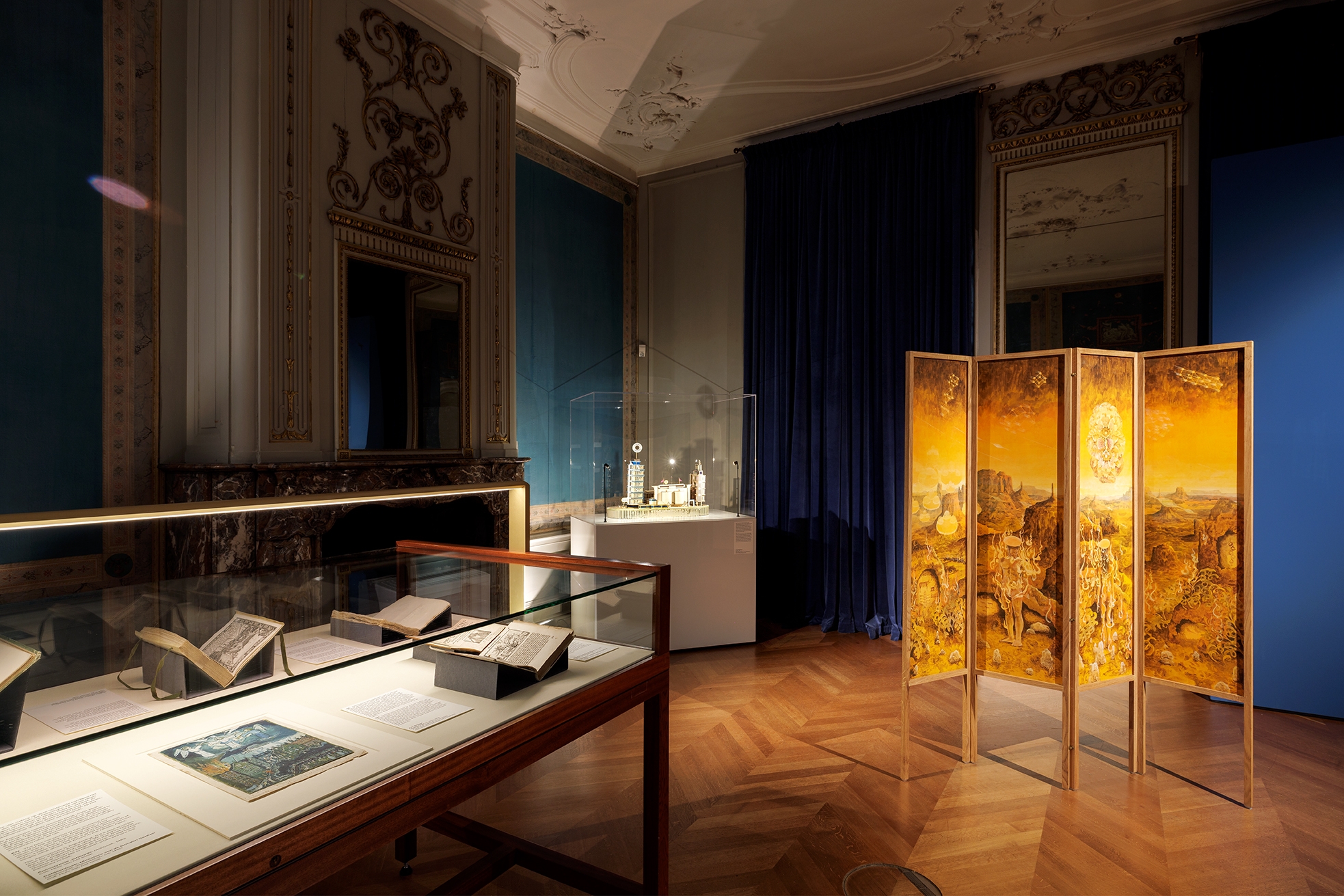
"There are more worlds than this one, and many of them are very close by, even if they are far from here" — Tonke Dragt
Books do not only take us on a journey through history; they also open windows to the world of today and tomorrow. While the pages in our collection preserve human thought, they simultaneously challenge us to consider new perspectives. Rijksmuseum Meermanno is a house where knowledge and history converge with a vibrant programme centered on art, heritage and design.